For med spas · a short read
The questions people ask before they book Botox
People used to type "botox austin" and scroll. Now they open ChatGPT and write a whole sentence — the treatment, the worry, the part of town — and ask it who to trust. The med spa that answers those worries clearly is the one that gets the booking.
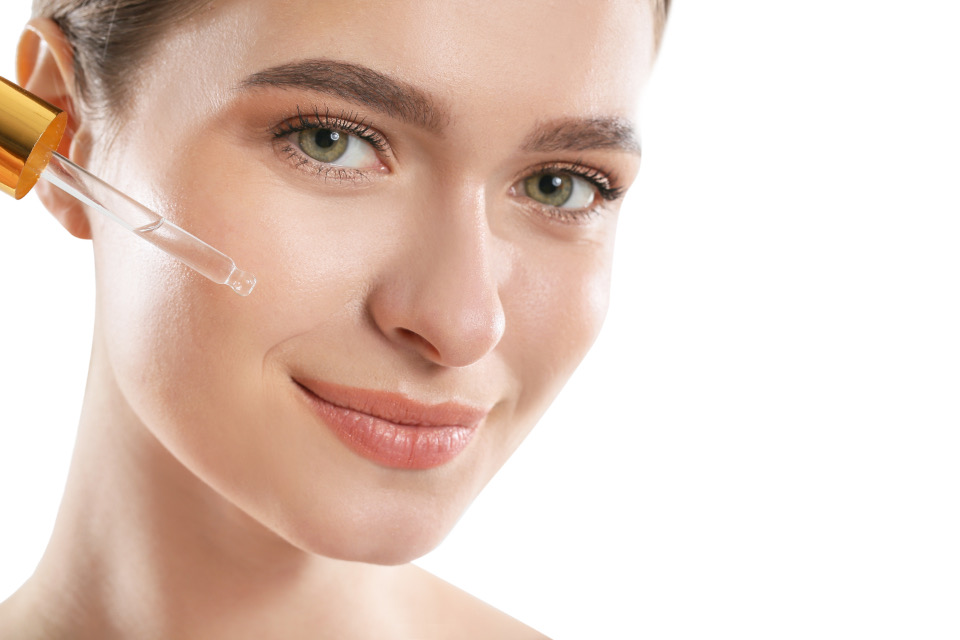
Booking a first appointment is a small act of trust. She's picturing her own face, hoping it'll look like her — just a little more rested. So she doesn't search for a service; she asks a question, the way she'd ask a friend who happens to know. And increasingly, that friend is ChatGPT.
Keywords became conversations
The old way was two or three words in a search box. The new way is a full, specific question — and most questions people ask AI are long and conversational. That changes what wins. It's no longer about matching a keyword; it's about being the practice whose information clearly answers the whole question.
The questions behind the booking
These are the kinds of things people really ask before they book — small, human, and specific. They're representative examples, but you'll recognize every one:
- Nerves. "I've never had Botox — where's gentle with first-timers and won't oversell me?"
- Looking natural. "Somewhere for lip filler that looks natural, not overdone."
- Price, roughly. "About how much is a first Botox appointment near me?"
- The specifics. "Who's good for the 11 lines between my brows?" or "under-eye filler for dark circles?"
- Logistics. "Open Saturdays?" "Is there parking?" "Do they numb first?"
- Trust. "Is the injector a licensed nurse or an NP?" "Best-reviewed place for filler in [city]?"
- Special cases. "Vegan-friendly filler," or "somewhere patient with a nervous first-timer."
Notice the pattern: almost none of these is a service name. They're worries and preferences. The booking usually goes to whoever answers the worry most clearly — not whoever lists the most treatments.
Why most med spa sites miss them
Most spa websites are a gorgeous service menu and a gallery. They show the what, rarely the how it feels. There's a page titled "Injectables" and a price that says "call for pricing," but nothing that answers "will I look frozen?" or "what's a first visit like?" If your pages don't say it in plain words, AI has nothing to quote when someone asks — so it quotes the spa that does.
How to be the answer
You don't need more marketing. You need to answer the questions where AI can read them:
- Write the answers on your own pages. A short, honest section on first-time Botox, on keeping filler natural, on rough pricing. Plain language, no fluff.
- Use the questions people actually ask as your headings. "What does a first Botox appointment cost?" beats "Our Pricing."
- Let your reviews do some of the talking. Recent reviews that mention nerves, natural results, and kindness answer the worry better than any tagline.
- Keep the practical facts easy to find — hours, parking, numbing, who does the injecting — on your site and your Google profile.
How Spread helps
This is the part we take off your plate. Spread generates the real, specific questions your clients would ask AI about your treatments and your city, runs them, and shows you which ones name you — and which ones name someone else. That's a plain list of the answers your site is missing, in priority order. You'll know exactly what to add, and where, so the next person who asks hears your name.
FAQ
How are people searching for a med spa differently now?
Instead of typing two keywords into Google, more people describe their situation to an AI assistant in a full sentence — their treatment, their worry, their part of town — and ask it to recommend someone. Surveys show most AI questions are long and conversational, closer to how you'd ask a knowledgeable friend than how you'd search a directory.
What do clients actually ask before booking Botox or filler?
Real, specific things: whether a place is gentle with first-timers, roughly what it costs, whether the results look natural rather than overdone, whether there is a numbing option or weekend appointments, and whether the injector is licensed and experienced. The booking often comes down to who answers those worries most clearly.
Why doesn't my med spa website answer these questions?
Most spa sites are built as a service menu and a gallery. They list what you offer beautifully, but rarely answer the human questions in plain words — what a first visit feels like, roughly what things cost, how you keep results natural. If your pages don't say it, AI has nothing to quote when someone asks.
How does Spread help with this?
Spread generates the real, specific questions your clients would ask an AI assistant about your treatments and city, runs them, and shows you which ones name you and which ones don't. That tells you exactly which answers are missing from your site and listings, so you can add them where AI will read them.
Free AI visibility check
See the questions you're missing.
Sign in and we'll ask AI the questions your clients would — then show you which ones name you, which name someone else, and where to start. About a minute.
Get my free AI report →Sign in with Google · no credit card to look.